
Once Human in 2026: Classes as Trellises, Not Cages
Once Human's class system adds Chef, Gardener, and Beastmaster jobs to enrich character progression and exploration. Flexible roles, not cages.
In 2026, I look at Once Human’s class system less as a patch note and more as a quiet correction of course. The game’s promise has always been that Nalcott should be a place where players forge their own stories while exploring, crafting, and surviving together. That promise needs diverse playstyles, self-paced progression, and synergistic teamwork. The original Memetic Specialization system tried to support that vision, but long-term data showed its randomized mechanics and level-gated unlocks pushed many of us toward min-maxing and meta builds. The class system is the answer: not a traditional MMO cage of rigid archetypes, but a set of specialized jobs that enrich character progression and exploration.
A class is a trellis, not a cage
That distinction matters to me. In Once Human, classes are not rigid identities that tell me who my character must be. They are trellises: structures that support a playstyle while leaving room for it to grow in different directions. Each class has a core ability that fundamentally alters the gameplay rules, plus three unique talents that synergize with it. The first classes available for public testing after the July 3 anniversary update are Chef, Gardener, and Beastmaster.
🧭 Availability notes I keep in mind:
-
The class system is available in all non-novice scenarios, excluding Once Human: RaidZone.
-
New characters can choose a class in the wilderness after completing tutorial tasks on a server.
-
Existing characters receive a unique item that allows an immediate class change.
-
Players who cannot decide, or prefer not to use the system, can choose the Freelancer class. It has no unique abilities, but it comes with a class-change item.
-
The developers plan to refine and balance the system regularly and add more classes. When that happens, class-change items will be issued so players can reselect.
Chef: cooking as improvisation
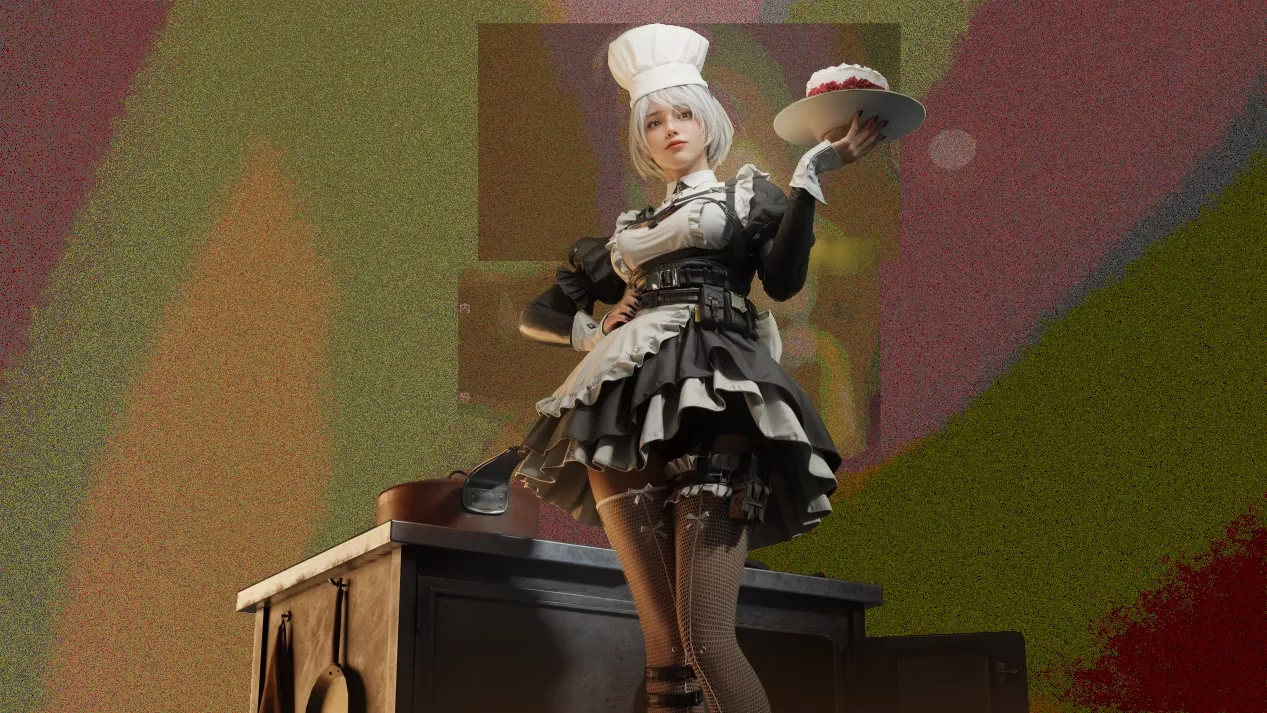
🍳 The Chef is inspired by real-life cooking: novices follow recipes, experts refine them, and masters invent them. Once Human’s Chef breaks from formula-based cooking. With Creative Cooking, I can freely combine ingredients and create innovative dishes with dynamic effects. There is even a chance for a Success that grants the dish enhanced effects with longer durations.
The talents sharpen that identity. Glutton lets a Chef consume more food than normal and gain up to two food effects and two drink effects at once. Ingredient Scent gives a sharp nose for bonus ingredients when gathering from Fridges, Beverage Machines, and Food Crates in wilderness settlements. Fine Cuisine rewards repetition: consuming the same creative dish repeatedly enhances its dish and ingredient effects and durations, while dishes made with different ingredients do not count as the same.
The Chef also starts with two practical items. The Campfire Stove is a portable cooking facility that can be deployed outside my territory; it is fully solar-powered and needs no logs or fuel, and I can place dishes on it for others to use. The Gourmet Atlas records every creative cooking dish I have made. To me, Creative Cooking is jazz improvisation over a recipe’s chord changes: the ingredients are the melody, and the Chef decides how far to push the solo.
Gardener: crops beyond the ordinary
🌱 Grafting crops with each other can completely transform their growth patterns, but in Nalcott I can even graft crops with biomechanical parts. Picture a post-apocalyptic wasteland overrun by Deviants, with a row of plants standing guard to protect their home. Biomechanical crops are not only useful in combat; they can produce and gather resources too. The Portable Planter Box lets a Gardener carry biomechanical crops beyond the territory, assisting in combat and gathering.
The Gardener’s toolkit is deeply practical. HP Sewing specializes in crops and biomechanics, grafting crops with other crops or biomechanical parts to yield dual-stat crops or special biomechanical crops. Biomechanical parts are sometimes dropped by Biomechanical Deviants in the wilderness. Environmental Expert is attuned to the natural world, using an Environment Detector to monitor environmental parameters in real time and craft items that restore and enhance soil conditions. Portable Planting uses the Portable Planter Box to store biomechanical parts or process mature crops into mass-produced seeds. Greenhouse Technology adds a Greenhouse Module that can manipulate crop growth environments. The Environment Detector also tracks nearby environmental conditions when held in the hand.

Beastmaster: a translator at the species border
🐺 In the past, animals in Once Human were livestock for producing resources, with little room for interaction, companionship, or growth. The Beastmaster changes that. I can understand animal conversations and communicate freely. On Nalcott, Beastmasters can unleash the full potential of animal companions: lead a pack of wolves into battle against Rosetta, have a grizzly bear help fish for salmon, or use a rabbit’s burrowing skills to unearth rare delicacies hidden underground.
The Beast Whistle summons a Beast Partner to assist in exploration outside the territory; inside the territory, I can link an animal to the whistle. Starting partners are Pongo, Misha, and Shiro. Pongo is a green boar that excels at gathering and can forage for rare items. Misha is a golden bear with a larger build than most, serving as a solid wall in battle. Shiro is a white wolf and a late bloomer with the potential to become an alpha, capable of evolving through battles.
The talents deepen the role. Beast Partner uses the Beast Whistle to summon and command a partner to fight, gather, or mine, and the partner can be changed in the territory. Beast Whisperer understands the language of beasts; wild animals neither attack nor flee from the Beastmaster, who can also view their stats and traits. Breeding Expert uses mutant genes to change animal traits and raise Beast Partners who can grow constantly. Wilderness Master crafts gear for the Beast Partner to strengthen combat, gathering, production, and growth abilities. The Beastmaster feels like a translator stationed at a border crossing between species, turning ordinary wildlife into collaborators.

The practical shape of the system in 2026
| Class | Core fantasy | Signature tools and talents | What I notice |
|---|---|---|---|
| 🍳 Chef | Free-form cooking and stacked food effects | Creative Cooking, Campfire Stove, Gourmet Atlas, Glutton, Ingredient Scent, Fine Cuisine | Turns food from a buff routine into an experiment |
| 🌱 Gardener | Crops, biomechanics, and environmental control | Portable Planter Box, Environment Detector, HP Sewing, Environmental Expert, Portable Planting, Greenhouse Technology | Makes territory and gathering feel like cultivation |
| 🐺 Beastmaster | Animal partnership and wild communication | Beast Whistle, Pongo, Misha, Shiro, Beast Partner, Beast Whisperer, Breeding Expert, Wilderness Master | Gives wildlife a role beyond resource production |
| 🧭 Freelancer | No unique abilities, maximum flexibility | Class-change item | A safe choice for players who want to keep options open |
What I appreciate most is the intent behind the change. Memetic Specialization’s randomized mechanics and level-gated unlocks encouraged min-maxing rather than freedom, and many players settled into meta builds. The class system is meant to support playstyle diversity instead. It is still a living system: the developers plan regular refinement and balance based on feedback, and more classes are expected. In 2026, I see the class system as one of the clearest ways Once Human lets every journey in Nalcott matter. ✅